For cities, counties & code officials
Every city wants healthier, more efficient housing stock; almost none has the staff to author and maintain its own green standard. GreenStar is the shortcut: a published, versioned, third-party-verifiable standard your programs and incentives can reference today, built for the renovations and retrofits that dominate municipal housing work.
The municipal bind
Home-repair dollars go out the door with no shared definition of quality across contractors.
Writing a local green standard from scratch means years of committee work you can't staff.
Proprietary standards mean license costs and rules your council never gets to see or amend.
State and federal funders increasingly ask for measurable outcomes rather than completed-work counts.
The path
Point your program requirements, permits incentives, or RFPs at the published standard as-is, or adapt it to your climate and code. It's versioned, so your ordinance can cite an exact release.
Browse the standard →GreenHome Inspections and Home Energy Scores give your program before-and-after measurement by independent third parties, instead of self-reporting by the contractors you pay.
How verification works →Certified homes with documented scores answer councils, auditors, and grant reporting with data, the model ICCF ran across a 213-unit affordable portfolio in Grand Rapids.
Read the ICCF case study →Public-interest proof
All case studies →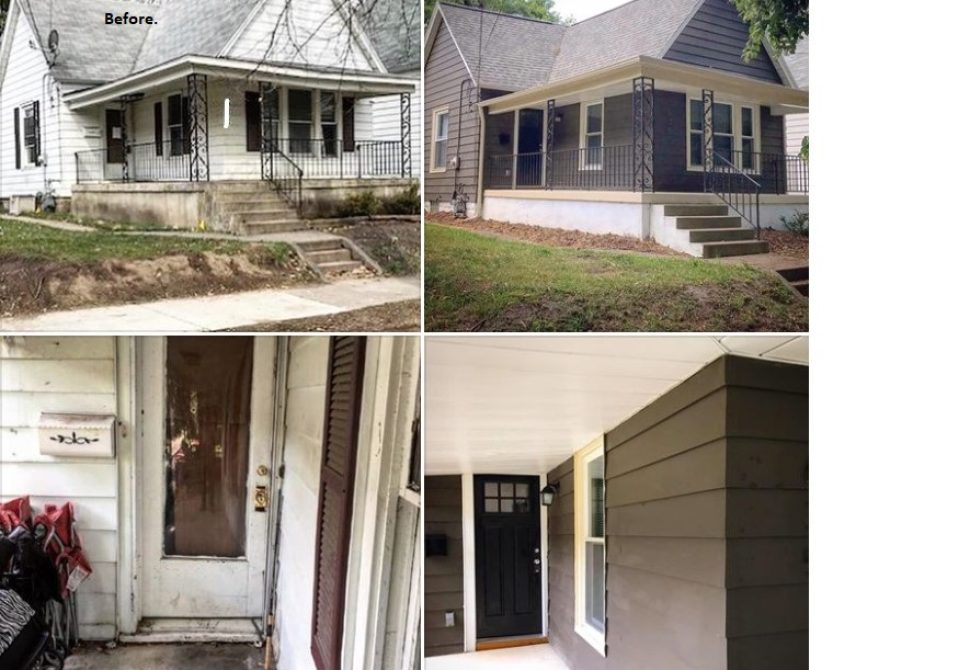
12 homes — certified renovations for affordable housing
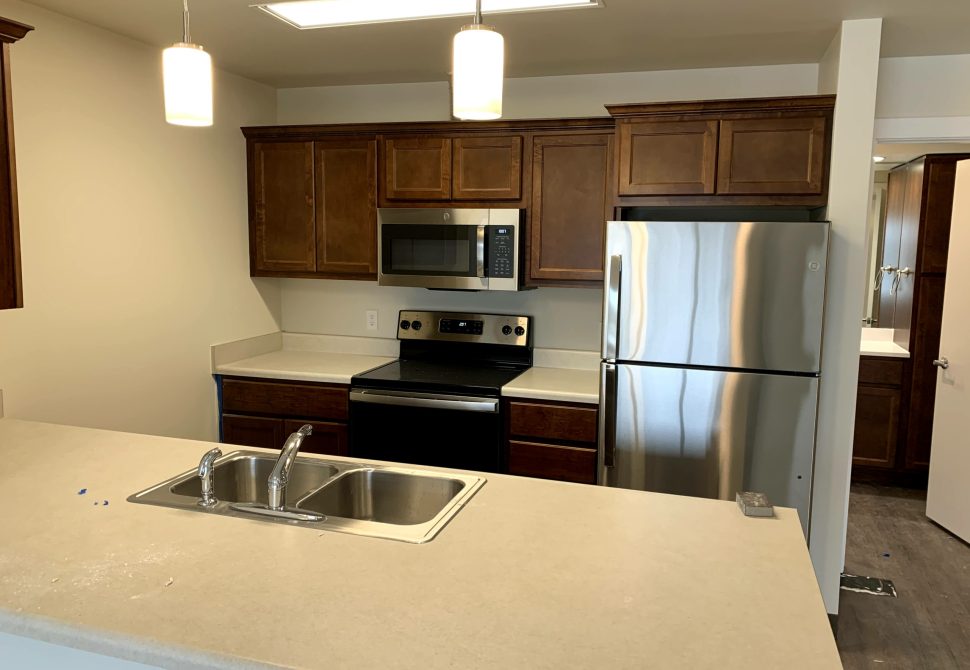
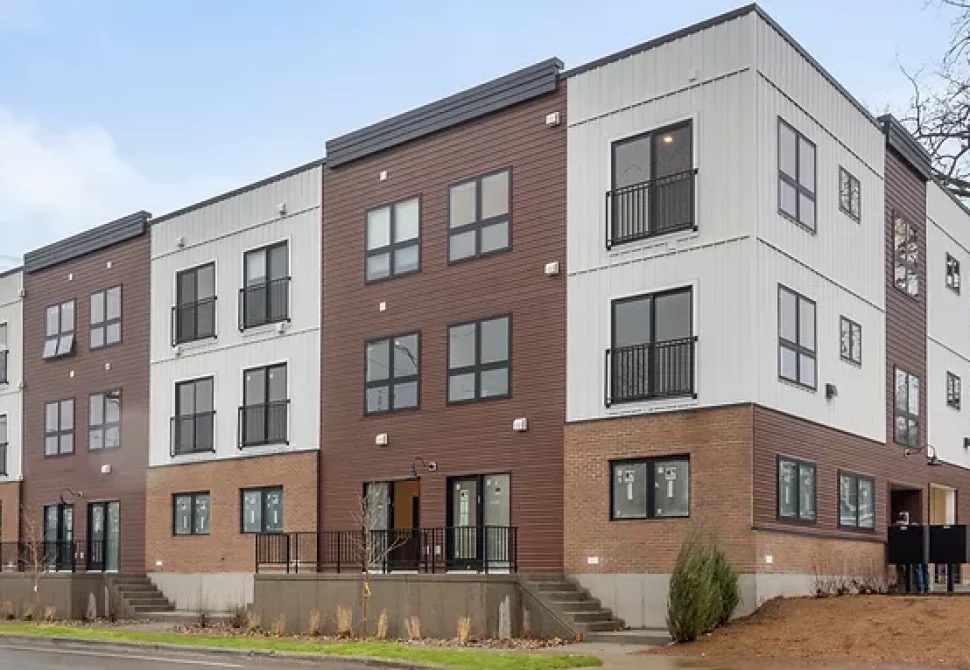
48 units — certified affordable housing


$60/mo — average all-electric utility bill

The Institute works with municipalities on program adoption, inspector capacity, and training. The standard itself costs your city nothing.
Not you? GreenStar also serves homeowners and builders & developers and housing programs and home improvement enthusiasts .