Third-party verified
Anyone can call a home green. GreenStar checks whether it's true: an independent inspector tests the house for air quality, energy, water, moisture, and materials, and the GreenHome Institute certifies what holds up. The standard is free to read and build to. You pay when you want the result on the record.
Most certifications sell you the rulebook. GreenStar gives it away: every requirement and every badge, published free for any project, whether or not you ever certify. It belongs to the GreenHome Institute, a 501(c)(3) nonprofit, so the fees pay for education and healthier housing instead of shareholders.
The full certification manual and working checklist are published in full. Use them to green a kitchen remodel or a 200-unit development. No license required.
Read the manualBrowse all 54 requirements across five pillars, filterable by level, pillar, and project type, in the free digital reference at standard.greenstarhomes.org.
Browse the standard →Start here
Ten plain-language questions, two minutes, an instant score across the standard's five pillars. No jargon, no commitment.
Take the scorecard →Nine real projects with real numbers, from a home that produces more energy than it uses to a 12-home affordable renovation program.
Read the case studies →Every requirement is published in full. Start with the Certified level, the clearest picture of what the program asks.
Browse the Certified checklist →Why certify
And here's what sets GreenStar apart: most green certifications were built for new construction. GreenStar is strongest where they're weakest — the home you already own. Renovations, retrofits, and step-by-step improvements are first-class paths, not afterthoughts.
Ventilation, radon, combustion safety, and material requirements verify the air your family actually breathes, not just what the brochure promised.
Energy and water efficiency targets are built into every level, cutting monthly bills for the life of the home.
Moisture management, structural integrity, and resilience requirements protect the largest purchase most people ever make.
Certified projects are listed on the Green Building Registry, visible to appraisers, agents, and future buyers.
Who it's for
homeowners & homebuyers
builders, remodelers & developers
housing programs & nonprofits
cities, counties & code officials
home-mod enthusiasts & DIYers
Start with the two-minute scorecard. It meets every audience where they are.
Take the scorecard →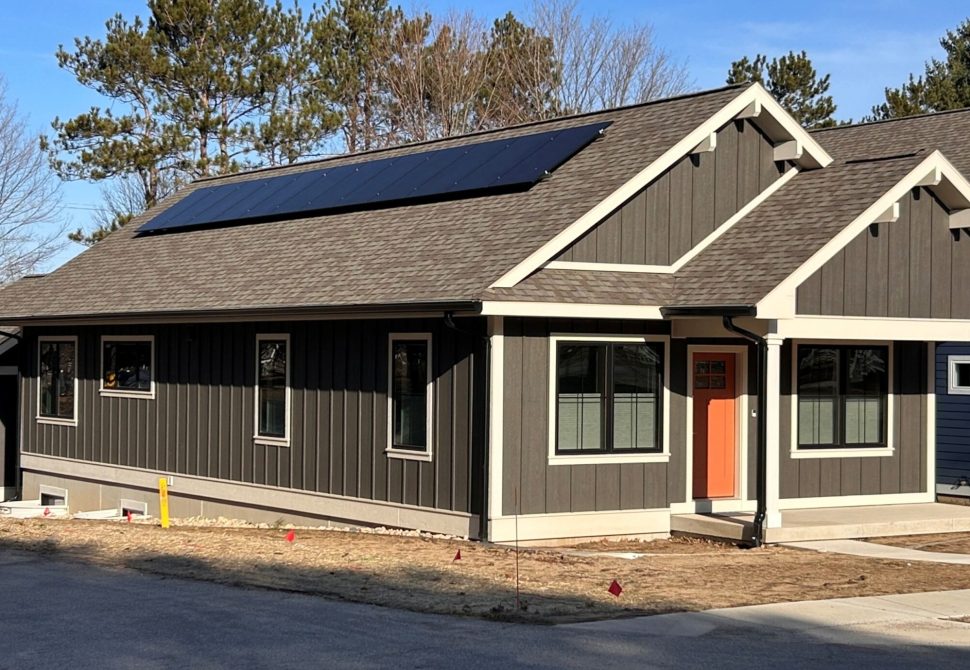
HERS 14 — vs ~100 for a typical new home
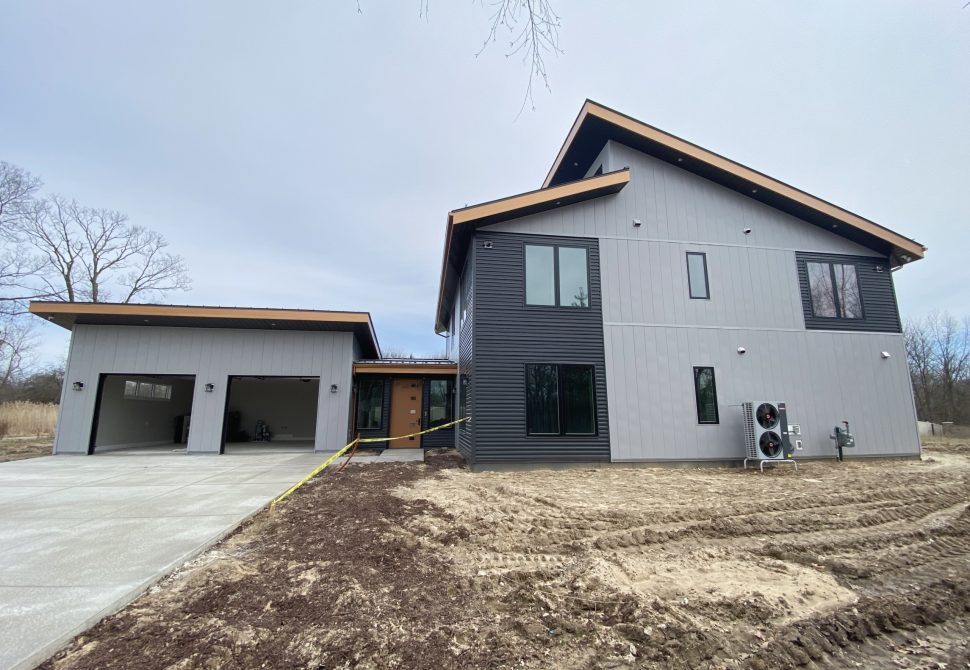
HERS −10 — produces more energy than it uses


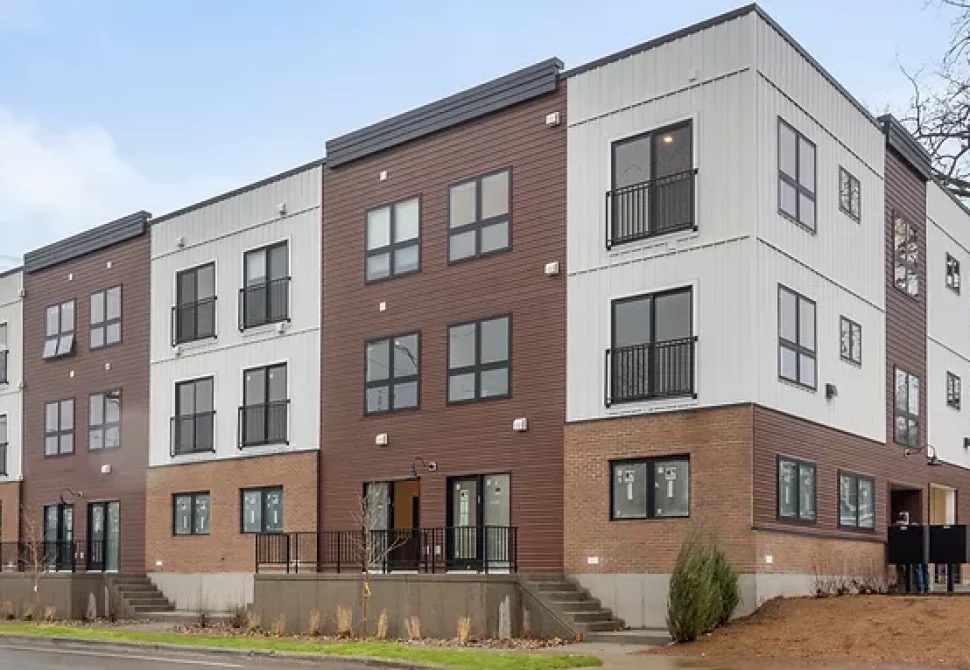
$60/mo — average all-electric utility bill

Built and designed by teams like




Find a pro
54 raters, architects, builders, and trades who have trained with the GreenHome Institute or earned their credit on a certified project — across 18 states and countries.
 Patrick O'Malley Building Knowledge GreenHome Inspector · Minneapolis, MN
  Nathan Kipnis Kipnis Architecture + Planning Architect · Chicago, IL
  Ryan McCoon Endura Performance Homes Builder · Traverse City, MI
  Will Gallmeyer Green Projects Group Electrification Consultant · Grand Rapids, MI
 Firms in the directory

















Two-minute self-assessment
Ten plain-language questions based on the standard's five pillars. Get an instant score and see your biggest opportunities.
Requirements are additive: a Platinum home meets every Certified, Silver, and Gold requirement first. Start where your project is; climb when you're ready.
Level 1
The essentials: mandatory safety, water, energy, and material assessments every certified project completes.
Level 2
Tighter water and energy targets, improved filtration, ventilation upgrades, and documented occupant training.
Level 3
Electrified major appliances, balanced ventilation, in-home air quality sensing, and a 15% embodied-carbon reduction.
Level 4
Full electrification, real-time leak detection, solar and EV readiness, and a 30% embodied-carbon reduction.
Any certified home can add optional badges for the goals that matter most to the project:
How it works
Review the published manual, start a workbook, pick your level, and register the project.
A certified GreenHome Inspector reviews plans or inspects the existing building, and guides the project.
Reports, photos, and testing results are logged against each requirement as work progresses.
Final review, certificate issued, and the project is listed on the Green Building Registry.
Projects that engage before construction begins tend to be the most successful. The full 23-step process is documented in the standard.
Wondering whether certification is worth paying for when the checklist is free? Read the honest case, or start with the free checklist today.